+86 18717921345
(Whatsapp/Wechat)
World-leading provider of boilers and industrial boiler solutions
 +86 18717921345|
 ht@hnhtgf.com|
- Language|

World-leading provider of boilers and industrial boiler solutions
+86 18717921345|ht@hnhtgf.com|
HUATAI 2026-09-14
For many steam companies, boiler steam has always been an "invisible but unavoidable" cost. Fuel costs, electricity costs, water treatment fees, manual duty, environmental emissions - as long as the boiler is still running, these expenses continue to occur.
In the past, many companies regarded boilers as infrastructure that could produce steam. However, when energy costs rose and environmental regulations tightened, they realized that there was a lot of room for optimization in the system. Huatai Boiler Energy Management is simply putting these scattered issues into one picture to re-examine: it is not the replacement of a single equipment, but a system engineering covering selection, fuel, operation, monitoring, and personnel.
The core goal of boiler energy management is to improve energy utilization efficiency, reduce operating costs, and minimize pollutant emissions. By relying on scientific and effective management methods, we ensure the safe and stable operation of boiler systems, assist customers in optimizing energy consumption, and enhance comprehensive economic benefits; Actively implementing national energy conservation and emission reduction policies, practicing the concept of green development, and empowering enterprises to achieve sustainable development. Below, we will outline a feasible management framework from six dimensions.
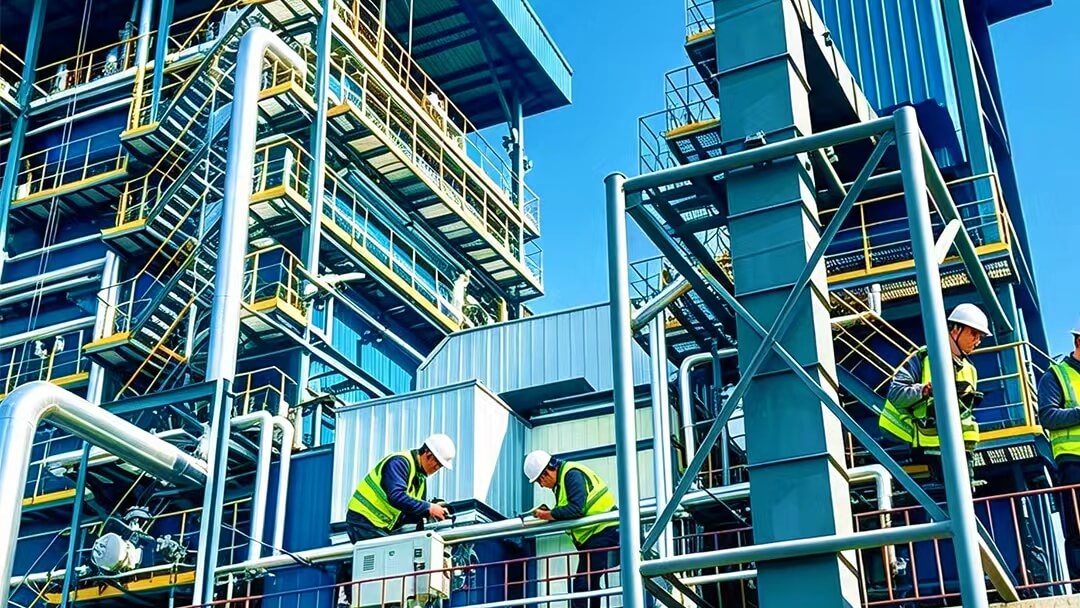
01 Equipment selection and optimization
Reasonable selection: Based on actual heat demand, comprehensively consider boiler capacity, thermal efficiency, and fuel adaptability, and select energy-saving boilers that meet energy efficiency standards. Optimization configuration: Supporting auxiliary equipment such as fans and pumps to ensure compatibility with the performance of the main engine; Adopting frequency conversion speed regulation technology, the operating parameters of auxiliary equipment are automatically adjusted according to the load, reducing the energy consumption of auxiliary equipment. Regularly maintain the boiler and auxiliary equipment, clean the scale and ash on the heating surface, maintain stable operation of the equipment, and improve heat transfer efficiency.
02 Fuel ManagementFuel quality control: Strictly control fuel quality, choose fuels with high calorific value, low impurities, and good combustion performance. Establish a fuel procurement acceptance system, conduct sampling and testing of incoming fuel to ensure that all fuel indicators meet the boiler design requirements. For coal-fired boilers, coal with appropriate volatile and fixed carbon content, and low sulfur and ash content should be selected; For biomass boilers, it is necessary to ensure that the fuel has a high calorific value, low moisture content, and low ash content. Reasonable storage of fuel: Standardize fuel storage management, take corresponding storage measures based on fuel characteristics, and prevent fuel deterioration, volatilization, or loss. Coal and biomass fuels should be stored in dry and well ventilated areas. At the same time, regular inventory checks of fuel inventory should be conducted to accurately grasp fuel consumption and provide a basis for fuel procurement and cost accounting.
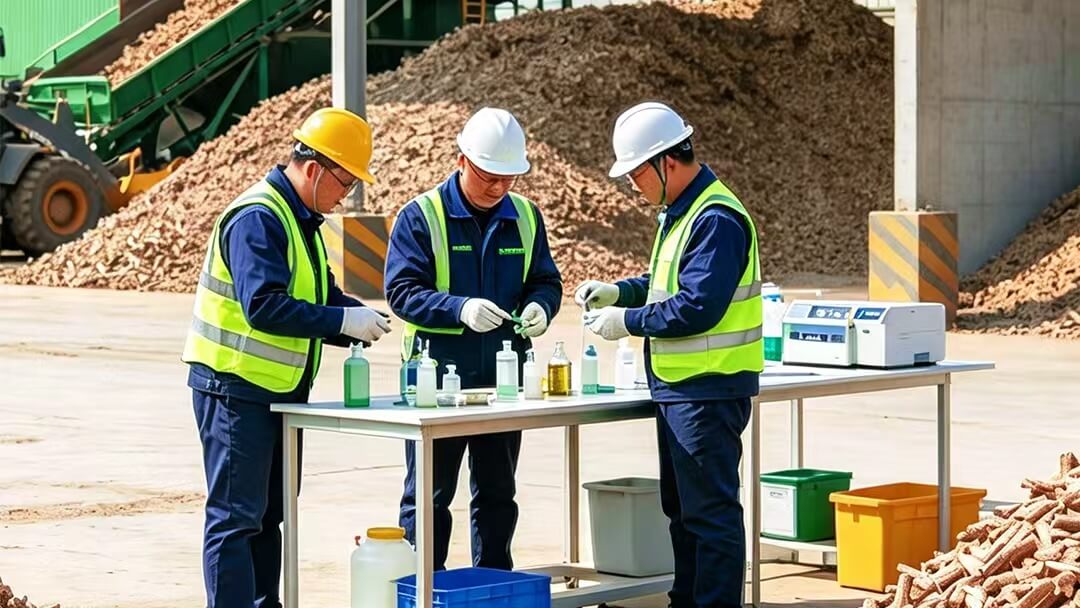
03 Operation regulation and monitoring
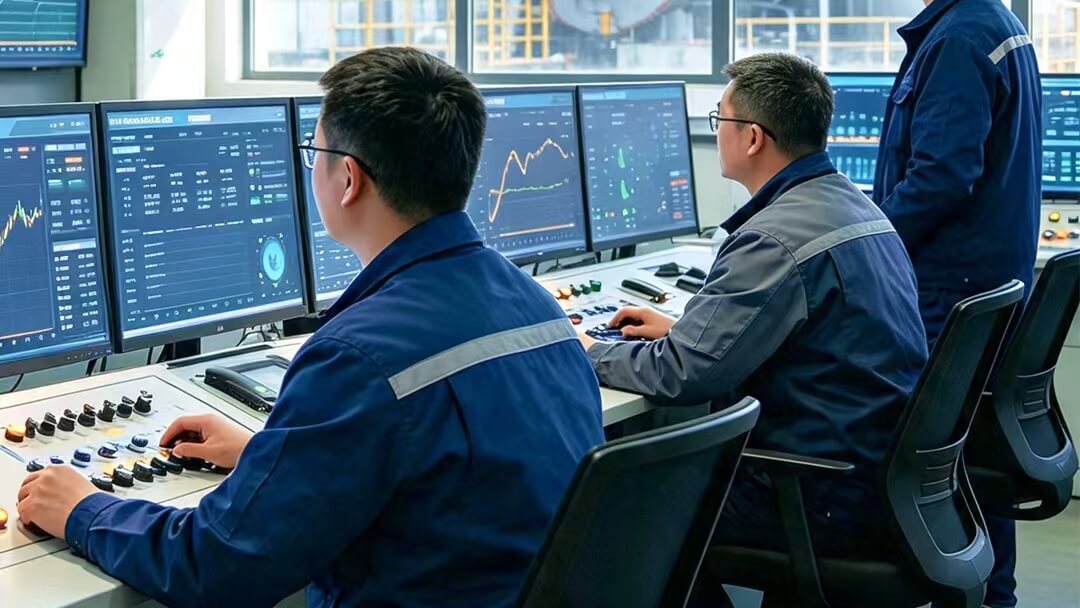
Optimize operating parameters: Set parameter intervals based on boiler characteristics and heat demand, control steam pressure, temperature, and water level, and maintain suitable operating conditions; Adjust the air to material ratio of the burner to promote full combustion. Adjust the number of boilers in operation based on load to avoid long-term low load operation of a single boiler. Real time monitoring and data analysis: equipped with an intelligent energy monitoring system, collecting boiler operation, energy consumption, and exhaust emission data; By utilizing data analysis, identify energy consumption anomalies, emission fluctuations, and equipment malfunctions in a timely manner.
04 Intelligent Control System
Introduce intelligent control system to achieve boiler automation control. The system automatically adjusts modules such as combustion, feedwater, and induced draft based on set parameters and actual operating conditions to ensure stable operation of the boiler; By relying on remote monitoring, management personnel can view the real-time operation of the boiler, promptly handle equipment abnormalities, and improve management efficiency.
05 Clean Combustion Technology
Adopting clean combustion technology to help reduce boiler pollutant emissions. Biomass boilers can use circulating fluidized bed and angle tube combustion technologies to improve fuel combustion efficiency and reduce emissions of sulfur dioxide, nitrogen oxides, and dust; Gas boilers can be equipped with low nitrogen burners to reduce the generation of nitrogen oxides and meet environmental emission standards.
06 Personnel Configuration and Training
Reasonably allocate boiler management, operation, and maintenance personnel, clarify the responsibilities and authorities of each position. Management personnel coordinate the planning, coordination, supervision, and assessment of boiler energy management; The operator completes the boiler start stop and operating condition adjustment according to the regulations; Maintenance personnel regularly carry out equipment maintenance and upkeep to ensure the safe and stable operation of boilers and auxiliary equipment. Regularly organize professional training for boiler personnel to enhance their professional skills and energy-saving awareness. The training covers boiler principles, operating specifications, energy-saving technologies, safety knowledge, etc., helping operators proficiently adjust operating parameters, assisting management personnel in mastering energy management methods, and developing energy management plans that are suitable for working conditions. Encourage employees to participate in energy-saving innovation and reward feasible energy-saving suggestions.
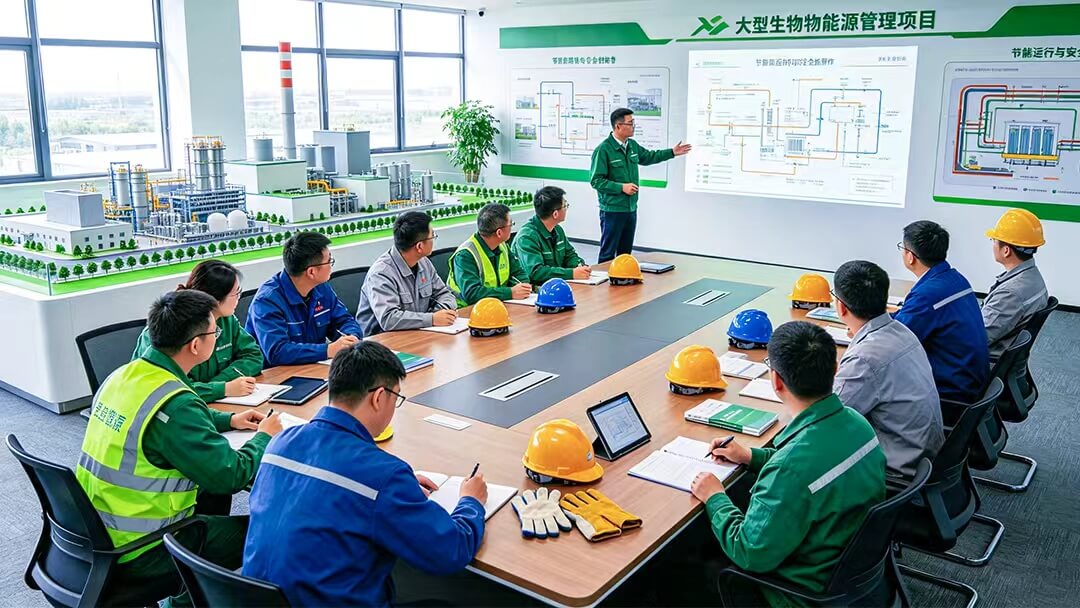
Boiler energy management is not a single renovation, but a systematic approach from selection to personnel, from fuel to monitoring. Its logic is simple: selecting the right source, strict entry, optimizing operation, closely monitoring data, upgrading technology, and having personnel in place.
For automobile companies, what really needs to be calculated is not "how much money was spent on this renovation", but "how much the unit steam cost has decreased over the long-term operation of the system, at what level the emissions have stabilized, and how many fewer equipment failures have occurred". This is also why more and more companies are paying attention to the energy custody model - entrusting boiler systems to professional teams for operation, focusing on their own main business, and relying on the expertise of the Huatai team for thermal management.
Boiler steam does not need to be carried alone. Handing over professional matters to professionals is often more secure than exploring on one's own.
Online chat Inquiry Let’s have a chat about boilers,Feel free to contact us.
 Tel: +86 18717921345
 Phone: +86 18717921345
 E-mail: ht@hnhtgf.com
 Add: 271 Huanghe Avenue, Xinxiang City,Henan Province, China


Copyright © 2021 Henan Huatai Petrochemical Equipment Co., Ltd
